

Neglecting bookkeeping tasks can yield significant financial and operational consequences, leading to the accumulation of financial discrepancies and errors. Businesses may encounter challenges in managing cash flow effectively, potentially leading to liquidity issues and missed payments. As mentioned above, businesses often require catch up bookkeeping when they neglect routine bookkeeping tasks due to other priorities or time constraints.

Connect With A Member Of Our Bookkeeping Team
Review your vendor accounts to ensure that you have paid them all in full. Make sure you have a copy of every bill from each vendor activity and, if catch up accounting you don’t, contact the vendor right away and ask them to send you a copy. These include bills for business activities that are still currently operating in your business’s closing period to ensure these expenses will appear on your year-end financial statement.
Property Management
As tax season approaches, businesses must ensure that their financial records are up to date and compliant with tax regulations. Failure to maintain accurate records throughout the year can result in challenges during tax preparation, potentially leading to errors, penalties, or missed deductions. Catch up bookkeeping, especially when pondering questions like Does an LLC get a 1099, enables businesses to reconcile transactions, categorize expenses, and ensure compliance with tax regulations.
- Organize all of your receipts and invoices so that they’re easily accessible.
- Join 250,000+ small business owners who built business credit history with Nav Prime — without the big bank barriers.
- Catch up bookkeeping becomes necessary for businesses under various circumstances, signaling the need to address overdue financial records and ensure accurate accounting practices.
- If your June bank statement shows a closing balance of $15,000, but your books only show $14,500, there may be an unrecorded transaction or error that needs to be corrected.
- If your business purchased new equipment, you might qualify for tax deductions related to depreciation or immediate write-offs under Section 179.
- According to the 2024 State of Tax Professionals Report, time management, meeting deadlines, and timely filing were the second highest set of challenges for survey respondents.
Step 3: Review Accounts Payable and Accounts Receivable

Catch-up bookkeeping is the process of updating and organising your financial records after falling behind for months or even longer. It’s a common challenge for small business owners who, due to busy schedules, let their bookkeeping slip. The consequences can include missed tax deadlines, inaccurate financial reports, and difficulty accessing loans or investors. To avoid these pitfalls, catch-up bookkeeping helps you regain control of your finances.
Stay ahead of new tax laws at home and internationally
You may even decide as your business grows to bring your bookkeeping in-house with a full-time employee. The first step in year-end accounting is to gather and organize all QuickBooks your financial records. This includes invoices, receipts, payroll reports, bank statements, and any other documents that reflect the company’s financial activities over the past year. Start reconciling all of your business bank accounts from the period you have fallen behind. This means going through every bank transaction and matching them with your internal records.

Implement internal controls
- 🎯 Reconcile your books, ensuring every transaction is recorded accurately.
- Our team is ready to learn about your business and guide you to the right solution.
- Run reports to confirm that your books balance and reflect your business’s current financial health.
- Match every transaction from your bank statements with entries in your accounting system.
- Although we offer a Catch Up Bookkeeping Service here at Bench, we know that some business owners prefer to tackle overdue bookkeeping on their own.
In today’s fast-paced business environment, catch-up bookkeeping is crucial, especially for SMEs aiming for growth and sustainability. Embracing technology in catch-up bookkeeping streamlines processes, enhances efficiency, and drives innovation. It’s important to reconcile your bank accounts so that you can identify any errors in your company or bank records. Compare each transaction from your bank statement with the same transaction in your company accounting records to ensure the balance of each account is the same. If they aren’t, identify and fix any errors to ensure that the balance in your bank statement matches the balance in your company records.
- Recognizing the right moment to seek professional help for catch up bookkeeping can be a game-changer for your business.
- And of course tax season conflicts with your late first-quarter objectives leaving you little to no time to get the books up to date.
- Catch-up bookkeeping refers to the process of updating and organizing past-due financial records to bring them up to date.
- This timely and accurate information empowers decision-makers to make informed, data-driven decisions.
- Many businesses, especially small ones, often struggle with keeping their books current.
- Collect the receipts from every business purchases you have made during the tax year.
Catch-Up Bookkeeping: Everything You Need to Know

Our experienced professionals are adept at helping companies streamline their financial management, enhance operational efficiency, and drive business growth. Compare your bank statements with your financial records to ensure every transaction is accounted for. This step eliminates discrepancies and helps you build a solid financial foundation. If you’re reading this article, it’s likely that you’re wanting to do everything yourself when it comes to bookkeeping and filing your taxes.
- If your small business receipts are piling up, an expense tracker will help you stay organized and on top of your expenses.
- Additionally, they help you stay compliant with tax regulations and avoid potential penalties.
- A bookkeeping service or accountant can help you meet all tax obligations and file your returns correctly and on time.
- They can also provide support to stay on top of your collections so that you fix your small business’ cash flow issues.
- Whether it’s been a few months or a couple of years, Catch-up Bookkeeping helps you untangle the mess and get everything organized, accurate, and ready for business.
Step #4 – Categorizing business expenses and income
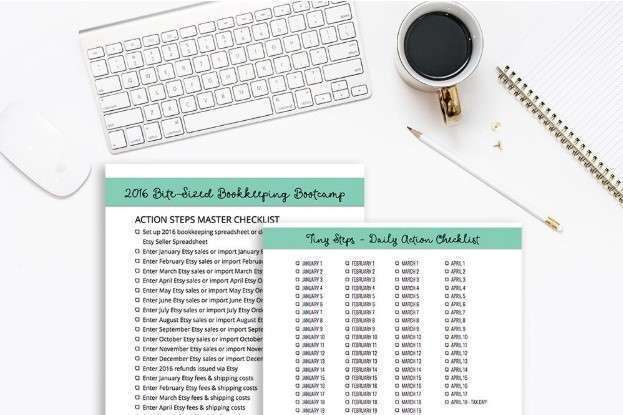
By leveraging these advanced technologies, businesses can enhance the efficiency of their catch-up bookkeeping processes, reduce manual intervention, and achieve higher levels of accuracy and precision. Additionally, AI and ML-driven insights enable businesses to identify cost-saving opportunities, improve cash flow management, minimize financial risks, and unlock new avenues for growth and innovation. The catch-up process involves entering all the transactions into an accounting system and reviewing and reconciling them. The Coffee Shop Accounting goal is to provide accurate financial statements reflecting the true state of business finances, which is a key requirement, especially as the tax season rolls around.
Continuously invest in training and education for your finance team to stay updated on accounting principles, regulations, and best practices. Knowledgeable and skilled staff are essential for maintaining accurate financial records. The catch up approach in accounting refers to reconciling and updating financial records that have fallen behind schedule. It involves systematically reviewing past transactions, entries, and documentation to update accounting records.